Industrial Uses of Precipitated Calcium Carbonate Across Different Sectors

Introduction
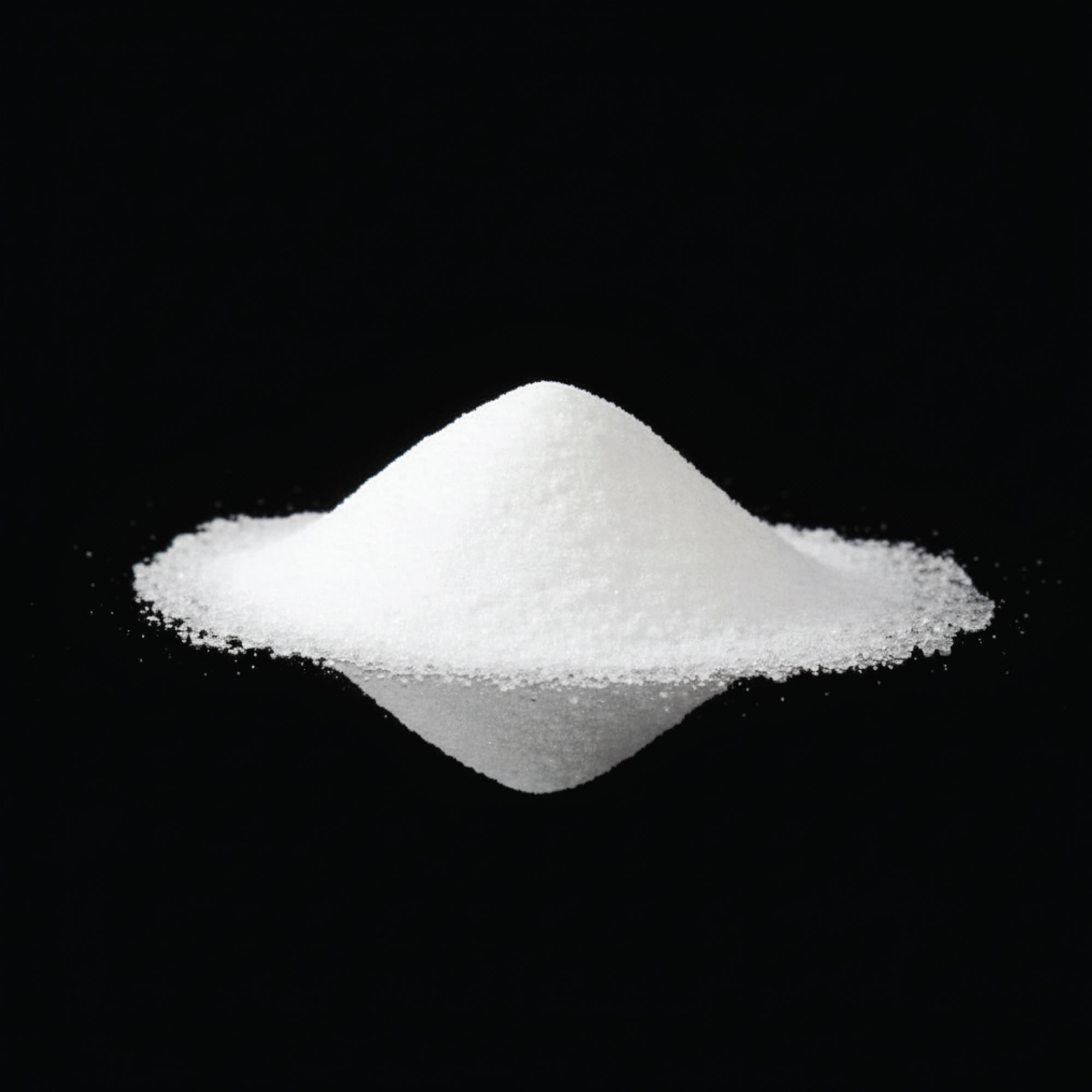
Modern industries continuously seek materials that can improve product quality and manufacturing efficiency. Calcium carbonate is widely used as an industrial filler because of its useful physical and chemical properties. In many manufacturing applications Precipitated calcium carbonate provides controlled particle characteristics and consistent performance for different formulations. Its versatility makes it suitable for industries where purity whiteness particle size and surface quality are important considerations.
What Is Precipitated Calcium Carbonate?
Precipitated calcium carbonate is a manufactured form of calcium carbonate produced through a controlled chemical process. This process allows manufacturers to achieve specific characteristics such as particle size morphology whiteness and purity. These controlled properties make it different from naturally sourced calcium carbonate and allow it to meet specific industrial requirements.
Its fine particle structure and consistent characteristics make it useful as a functional filler across various manufacturing sectors. The required grade generally depends on the application formulation and desired performance of the finished product.
Uses in the Plastics Industry
The plastics industry uses calcium carbonate as a functional filler in various polymer-based products. It can support properties such as stiffness dimensional stability surface appearance and processing efficiency. It can also help manufacturers achieve desired formulation characteristics while managing production costs.
For applications requiring uniform filler dispersion Precipitated calcium carbonate offers controlled particle characteristics that can support consistent processing. It may be incorporated into plastic sheets films pipes profiles and other polymer products depending on the formulation requirements.
Applications in Paints and Coatings
Calcium carbonate is commonly incorporated into paints and coatings to support properties such as opacity surface smoothness brightness and formulation consistency. Its fine particles can contribute to the texture and appearance of finished coatings.
It can be used in architectural paints primers industrial coatings and other surface treatment products. Manufacturers select appropriate grades according to factors such as particle size whiteness purity and compatibility with the coating formulation.
Role in Rubber Manufacturing
Rubber manufacturers use calcium carbonate as a filler in different rubber formulations. It can contribute to hardness dimensional stability and formulation balance while supporting efficient manufacturing.
The selection of an appropriate grade depends on factors such as particle size purity and dispersion. In applications requiring consistent filler characteristics Precipitated calcium carbonate can be incorporated into rubber products such as sheets profiles molded components and other industrial products.
Importance in Paper Production
The paper industry uses calcium carbonate in filling and coating applications. It can contribute to brightness opacity surface smoothness and printability which are important characteristics for many paper grades.
Fine and controlled particles can help manufacturers achieve consistent surface characteristics. Calcium carbonate is therefore used in different paper products depending on the required quality performance and production process.
Adhesives and Sealants
Calcium carbonate can also serve as a functional filler in adhesives and sealants. Depending on the formulation it can influence properties such as viscosity body dimensional stability and overall consistency.
Manufacturers may select specific calcium carbonate grades according to the chemistry and performance requirements of the final product. Consistent material characteristics can be particularly useful when production processes require reliable formulation behavior.
Why Choose Sudarshan Group?
Sudarshan Group provides industrial calcium carbonate solutions for applications across different manufacturing sectors. Consistent quality controlled particle characteristics and application-focused material selection are important factors when choosing an industrial mineral supplier.
For businesses requiring Precipitated calcium carbonate for specialized applications selecting a suitable grade is essential for achieving desired product performance. Sudarshan Group focuses on supplying calcium carbonate materials according to industrial requirements while supporting consistent manufacturing processes.
Conclusion
Precipitated calcium carbonate has become a useful material across multiple industrial sectors because of its controlled properties and versatility. From plastics paints and coatings to rubber paper adhesives and sealants it can support different manufacturing requirements. Choosing the right grade according to particle size purity morphology and application needs can help manufacturers achieve consistent results. With suitable material selection industries can effectively use calcium carbonate to support product quality and manufacturing efficiency.
FAQs
1. What is precipitated calcium carbonate?
Precipitated calcium carbonate is a manufactured form of calcium carbonate produced through a controlled chemical process. It is valued for characteristics such as purity particle size and controlled morphology.
2. Which industries use precipitated calcium carbonate?
It is used in industries including plastics paints coatings rubber paper adhesives and sealants. Its applications depend on the properties required in the final product.
3. What makes precipitated calcium carbonate useful for industrial applications?
Its controlled particle size purity whiteness and morphology make it suitable for formulations where consistent filler performance is required.
4. Is calcium carbonate used in plastic manufacturing?
Yes. Calcium carbonate can be used as a filler in various plastic products where it may support stiffness dimensional stability surface quality and processing characteristics.
5. How should industries select a calcium carbonate grade?
Industries should consider factors such as particle size purity morphology whiteness dispersion and compatibility with the intended formulation. The appropriate grade depends on the specific application and desired product properties.


Comments
Post a Comment