How Coated Calcium Carbonate Powder Improves Plastic and Rubber Processing
Introduction
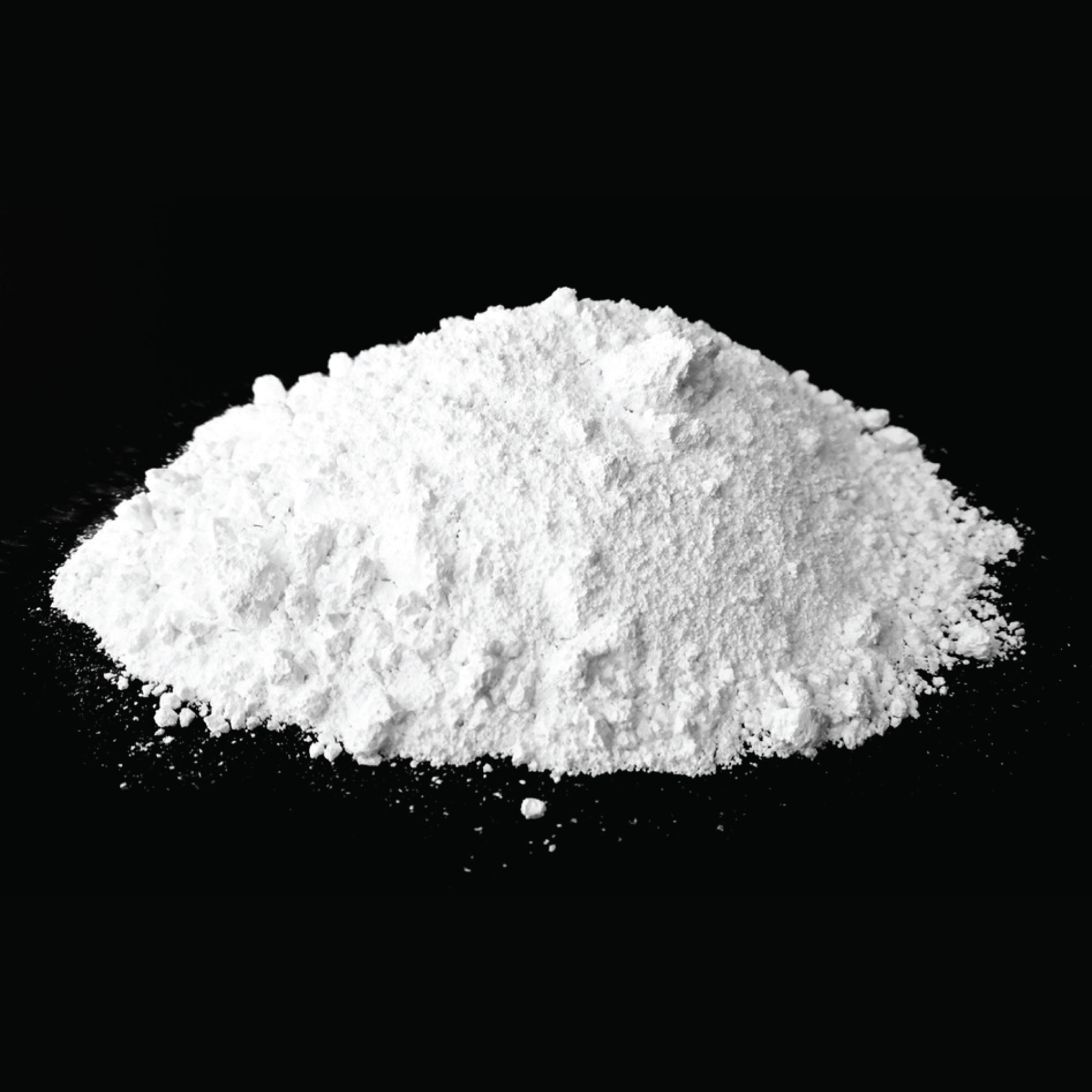
Modern plastic and rubber manufacturers continuously seek materials that can improve processing efficiency while maintaining product quality. In this environment manufacturers increasingly choose Calcium Carbonate Powder for its ability to support better material performance and production economics. When the powder is specially coated it can provide improved compatibility with polymer systems and contribute to smoother manufacturing processes.
Understanding Coated Calcium Carbonate Powder
Coated calcium carbonate is produced by treating calcium carbonate particles with a suitable surface coating agent. This treatment changes the surface characteristics of the mineral and helps it interact more effectively with polymers. Compared with untreated calcium carbonate the coated form can offer improved dispersion and better compatibility with different plastic and rubber formulations.
The coating also helps reduce particle agglomeration during processing. Better dispersion means the mineral can distribute more evenly throughout the polymer matrix. This can result in improved consistency and more reliable performance in finished products.
Benefits in Plastic Processing
Plastic manufacturers use mineral fillers to enhance specific properties while managing production costs. Coated calcium carbonate can work effectively in applications such as pipes sheets films profiles masterbatch and injection-moulded products. Its improved surface characteristics allow better interaction between filler particles and polymer materials.
One important advantage is improved dispersion during compounding. When calcium carbonate spreads uniformly through the polymer it can help create a more consistent material structure. Manufacturers may also experience smoother processing and improved surface appearance in suitable formulations.
Coated calcium carbonate can also contribute to increased stiffness and dimensional stability. Depending on the polymer system and formulation it may support better rigidity while reducing the amount of expensive polymer required. This makes it valuable for manufacturers looking to optimize material usage without compromising required product characteristics.
Role in Rubber Processing
Rubber manufacturing also benefits from the controlled use of coated calcium carbonate. It can be incorporated into products such as rubber sheets seals profiles hoses footwear components and other industrial applications. The coating can improve interaction between the filler and rubber compound which supports more uniform mixing.
During processing good filler dispersion is essential for achieving consistent compound properties. Coated particles can reduce the tendency toward uneven distribution and help manufacturers achieve better batch-to-batch consistency. It may also support smoother mixing and processing depending on the overall formulation.
Another advantage is its potential contribution to hardness stiffness and dimensional characteristics. By selecting the appropriate grade manufacturers can develop rubber compounds according to specific application requirements while maintaining efficient production.
Improving Processing Efficiency
Processing efficiency is an important consideration for every plastic and rubber manufacturer. Poor filler dispersion can create defects uneven properties and unnecessary processing challenges. Coated calcium carbonate helps address these concerns by improving particle compatibility and distribution within polymer systems.
Better dispersion can also support more stable processing conditions. This can help manufacturers maintain consistent production quality and reduce material wastage. The actual benefits depend on the polymer type coating technology particle size and overall formulation but properly selected coated calcium carbonate can become an important component of an optimized manufacturing process.
Supporting Cost-Effective Manufacturing
Raw material costs play a major role in plastic and rubber production. Calcium carbonate can act as a functional filler that helps manufacturers optimize formulations and control material expenses. Coated grades can provide additional advantages where improved compatibility and dispersion are required.
By selecting the right grade manufacturers can balance filler loading processing performance and final product requirements. This approach allows businesses to develop cost-effective formulations while maintaining the desired physical and processing characteristics.
Why Choose Us
For consistent quality and reliable supply Sudarshan Group delivers trusted mineral solutions for diverse industrial applications. With a strong focus on quality control and product consistency our Calcium Carbonate Powder is developed to support the requirements of modern plastic and rubber manufacturers.
By choosing an experienced supplier manufacturers can achieve better formulation control and dependable processing performance. With quality-focused production and customer-oriented solutions Sudarshan Group helps businesses select suitable calcium carbonate products according to their specific application requirements.
Conclusion
Coated calcium carbonate has become a valuable material for improving the processing and performance of plastic and rubber products. Its enhanced surface characteristics can support better dispersion compatibility processing stability and formulation efficiency. With the right grade and application-specific approach manufacturers can achieve consistent results while managing production costs effectively. Selecting quality Calcium Carbonate Powder from a reliable supplier can therefore play an important role in developing efficient and high-performing plastic and rubber manufacturing processes.
FAQs
1. What is coated calcium carbonate powder?
Coated calcium carbonate powder is calcium carbonate treated with a surface coating agent to improve its compatibility and dispersion within polymer and rubber formulations.
2. How does coated calcium carbonate improve plastic processing?
It can improve filler dispersion and compatibility with polymers which may support smoother processing better consistency and improved dimensional properties.
3. Can coated calcium carbonate be used in rubber products?
Yes. It can be used in various rubber formulations including sheets profiles seals hoses and other industrial rubber products depending on the formulation requirements.
4. Does coated calcium carbonate help reduce manufacturing costs?
It can help manufacturers optimize filler loading and polymer usage. The actual cost benefit depends on the formulation application and required product properties.
5. How should manufacturers select the right calcium carbonate grade?
Selection should consider factors such as particle size coating type purity polymer compatibility filler loading and the specific performance requirements of the final product.


Comments
Post a Comment